Have a question about Breast Lift?
In this article
- What is a donut breast lift and how does it work?
- Who is a good candidate for a donut breast lift in Turkey?
- How is a donut breast lift done?
- How much does a breast lift cost in Turkey?
- Does insurance cover a breast lift?
- What are the scars like after a donut breast lift?
- What is recovery like and how long do you need to stay in Turkey?
- Is a donut breast lift safe in Turkey?
- Can you breastfeed after a donut breast lift?
- How does donut lift compare with vampire breast lift and non-surgical options?
- How should you choose a clinic and surgeon for a donut breast lift in Turkey?
A donut breast lift in Turkey usually costs less than the same surgery in the UK or US, but it only suits a fairly narrow group of patients: women with mild sagging, a small amount of loose skin, and a need for areola reshaping rather than a major lift. As a rough guide, prices are variable and depend on whether surgery alone or package-based medical travel is chosen, with recovery measured in weeks rather than days; the final plan, cost, travel timing, and safety advice should always be confirmed after a surgeon reviews your breast shape, skin quality, and medical history.
What is a donut breast lift and how does it work?
A donut breast lift, also called a periareolar mastopexy, is a breast lift done through a circular incision around the areola. It can raise the nipple a small amount, tighten limited loose skin, and reduce or reshape the areola, but it does not create the same lift as a vertical or anchor technique.
A donut breast lift in Turkey is the same core operation used elsewhere: the surgeon removes a ring of skin around the darker skin of the nipple area, then tightens the outer skin toward the areola. In plain terms, it is a breast lift surgery with a scar mainly around the areola edge.
This is a form of mastopexy, which simply means breast lift. It is often discussed as a lighter-lift option for women who want:
- ✓Mild breast uplift rather than a dramatic reshaping
- ✓Correction of stretched areolas
- ✓Better nipple position when droop is limited
- ✓A lift combined with implants in selected cases
The key limit is important. A donut lift can help with small adjustments, but it is not the best tool for heavier breasts, more skin excess, or clear nipple descent below the breast fold. In those cases, a vertical lift (lollipop scar) or anchor lift usually gives a more controlled shape and longer-lasting support.
Why some patients ask for it
Many patients search for a “boob lift” with the least visible scar possible. That is understandable. The appeal of the donut lift is simple: one scar around the areola, no vertical scar down the breast in many cases.
But scar pattern should not be the only decision point. A smaller scar on the skin can still mean a weaker lift if the breast needs more reshaping. In practice, the best-looking result often comes from the technique that matches the degree of sagging, not the technique with the shortest online description.
If you are comparing options, it helps to read a general overview of breast lift surgery and then discuss whether the periareolar approach really fits your anatomy.
Mild sagging, enlarged areolae, good skin tone, and a modest lift goal.
Moderate to severe droop, heavy breasts, poor skin quality, or a need for major reshaping.
- →Periareolar mastopexy = donut breast lift
- →Works through a circular incision around the areola
- →Best for mild lift needs, not major droop
Who is a good candidate for a donut breast lift in Turkey?
The best candidate is usually someone with mild ptosis — ptosis means sagging — where the nipple is still near the natural breast crease, not far below it. The breast should also have reasonably good skin quality, because a donut lift relies on the skin envelope to help maintain shape.
From a practical surgeon’s point of view, the donut lift is often appropriate when the goal is one or more of these:
- ✓A subtle lift after pregnancy or weight change
- ✓Smaller, more even areolae
- ✓Correction of mild asymmetry
- ✓A lift paired with a modest implant when droop is limited
It is often not the best choice when you have:
- ✓Nipples clearly sitting below the breast fold
- ✓A lot of lower-pole looseness, meaning empty skin in the lower breast
- ✓Heavier breasts that need internal reshaping
- ✓Significant skin stretch after major weight loss
- ✓A strong wish for upper fullness without implants or fat transfer
When vertical or anchor lift is usually better
This is where honest planning matters more than marketing. If the breast has a long nipple-to-fold distance, loose lower skin, or a broad, heavy shape, a donut lift can flatten the breast, widen the areola, or give less lift than expected. In those cases, surgeons often prefer:
- ✓Vertical lift: better for moderate sagging and shape control
- ✓Anchor lift: better for significant sagging, excess skin, and larger reductions
A patient may come in asking specifically for a donut scar pattern, but the safer and more reliable answer is sometimes that another technique is more suitable. That is not a sales issue. It is a planning issue.
If you are also considering smaller breasts at the same time, compare this with breast reduction, because some women searching “how much is a breast reduction and lift” actually need a reduction-lift combination rather than a lift alone.
⚠️ A donut lift is not a universal low-scar shortcut If your breast needs more lifting than this method can deliver, choosing it mainly to avoid a vertical scar can lead to shape trade-offs, stretched areolae, or disappointment.
- ✓Mild sagging only
- ✓Need for areola reduction or reshaping
- ✓Reasonable skin elasticity
- ✓Realistic expectation of a subtle, not major, lift
How is a donut breast lift done?
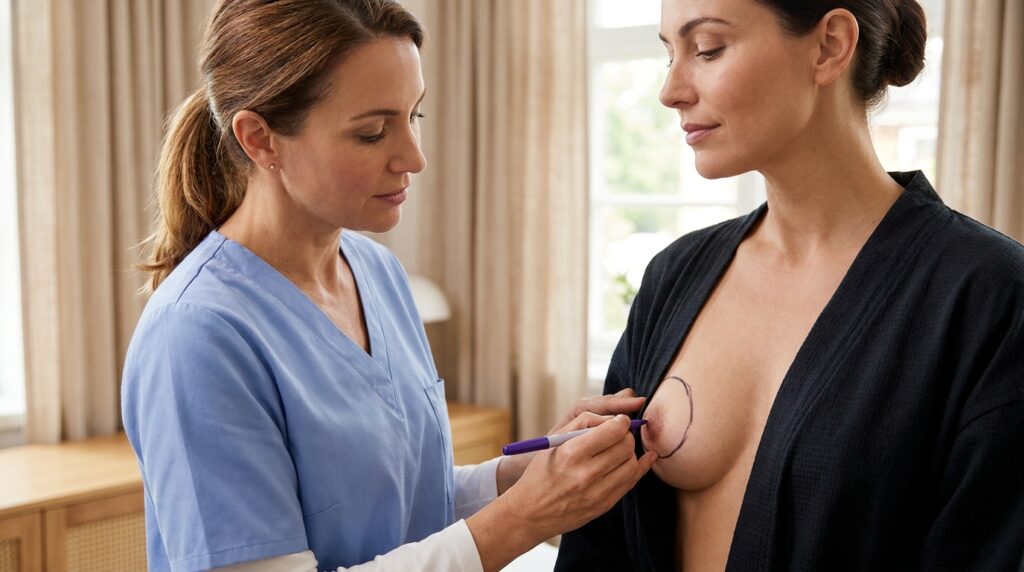
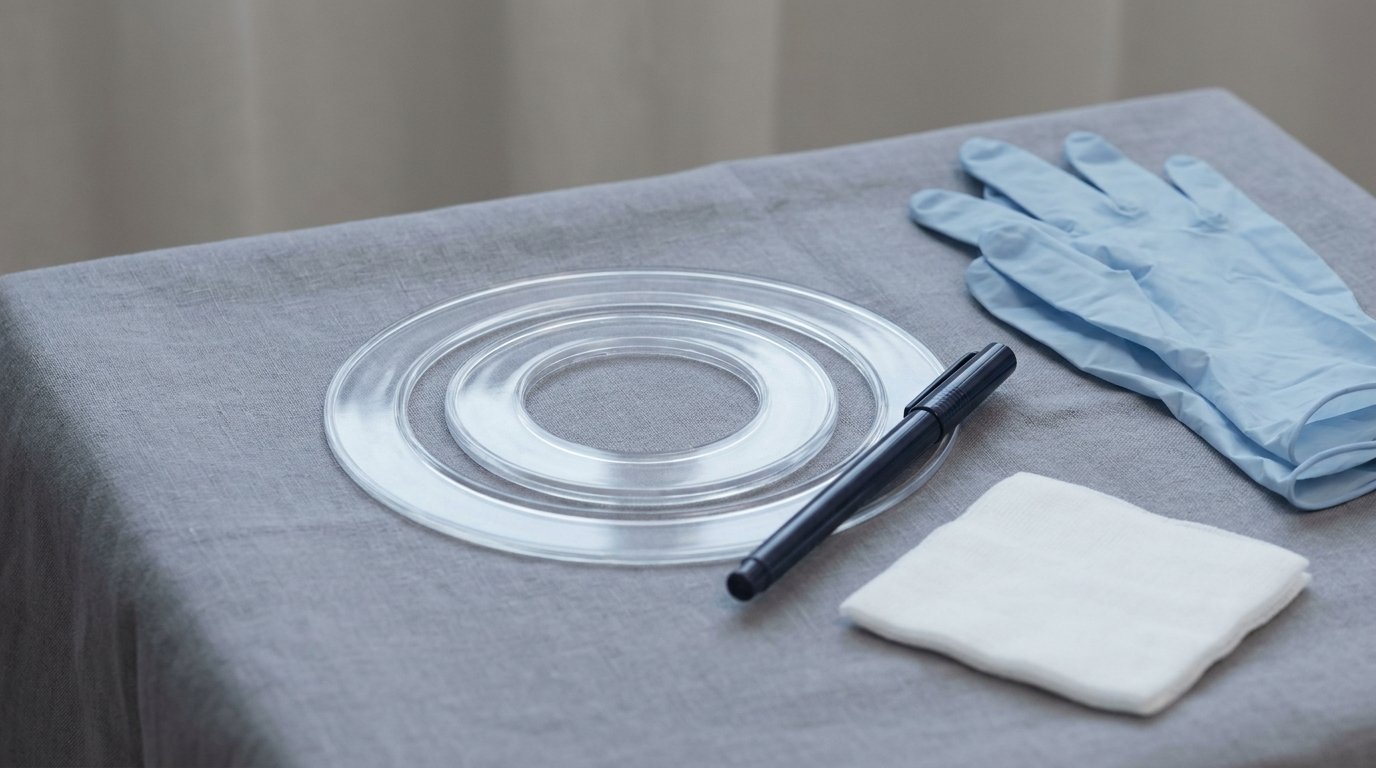
The operation is usually done under general anaesthetic. The surgeon marks a circle around the areola and a second outer ring, removes the ring of skin between them, then tightens and closes the skin so the breast sits a little higher and the areola can be resized if needed.
Depending on the plan, the operation may be:
- ✓A donut lift alone
- ✓A donut lift with breast augmentation if more upper fullness is wanted
- ✓Part of a wider post-pregnancy plan such as a mommy makeover
A lift alone repositions tissue. It does not add volume. That matters because some patients looking at breast lift before and after photos are really responding to the fuller upper pole created by implants, not by lifting alone.
If fullness is the main goal, ask whether a combined lift-and-implant plan is being suggested for a reason. You can also compare with breast augmentation if volume loss is your bigger concern.
Typical surgery time varies, often around 1.5 to 3 hours depending on whether implants are used and how complex the reshaping is. You may have dressings, a support bra, and sometimes small drains, though not every surgeon uses drains for this technique.
- ✓General anaesthetic is common
- ✓Skin is removed around the areola
- ✓The breast envelope is tightened
- ✓Areola size can often be reduced at the same time
- ✓Implants may be added if volume is also needed
How much does a breast lift cost in Turkey?
A breast lift without implants in Turkey starts from around €3,195. That is a starting point, not a guaranteed quote — your own figure is confirmed after consultation, once the surgeon has assessed how much skin needs to be removed, where the nipple sits now, and whether you also want volume added. Adding implants at the same time is a different operation and is quoted separately.
The cost of a donut breast lift in Turkey is usually given as an approximate range, not a fixed price. Expect variable pricing, sometimes more if implants, complex revisions, extra nights, or premium hospital arrangements are involved. Final pricing should follow consultation and surgical assessment.
When people ask how much is a breast lift or how much does a breast lift cost, the honest answer is that the price depends on what is actually being done. A simple periareolar lift is usually priced below more extensive lift patterns, but costs rise if you add implants, revision work, or longer hotel and nursing support.
In Turkey, quotes may be given in euros, pounds, or US dollars. Always check exactly what is included.
Common variables include:
- ✓Surgeon’s experience and reputation
- ✓Hospital and anaesthesia fees
- ✓Whether implants are added
- ✓Pre-op tests
- ✓Length of stay in hospital
- ✓Transfer, hotel, compression bra, and aftercare package details
- ✓Whether this is a first-time operation or revision surgery
Here is a practical comparison.
📋 Price should be confirmed after consultation A definitive quote is only reliable after a surgeon reviews photos, examines you in person or by secure consultation, and confirms whether a donut lift is actually the right technique.
- ✓Ask if the quote includes surgeon, anaesthetist, hospital, tests, medicines, garments, transfers, and follow-up
- ✓Ask what happens if your surgery plan changes after in-person assessment
- ✓Check whether implant costs are included if augmentation and mastopexy is discussed
Does insurance cover a breast lift?
In most cases, no. Cosmetic mastopexy is usually considered elective, so standard health insurance does not cover it. That applies whether you have surgery at home or travel abroad.
There can be exceptions in some healthcare systems if a procedure is linked to reconstruction rather than cosmetic uplift, but a straightforward donut breast lift for appearance is generally self-funded.
If you are seeking surgery after major weight loss, breast asymmetry, or reconstruction-related changes, ask the insurer directly for written guidance. Verbal call-centre answers are not enough.
Cosmetic breast lift surgery is usually not covered by insurance.
Reconstructive cases are assessed differently from cosmetic lifts.
What are the scars like after a donut breast lift?
A donut lift leaves a scar around the areola edge, where color change can help hide it. The trade-off is that scar quality and areola shape matter more with this method, and some patients develop widening, rippling, or flattening if the technique is stretched beyond mild-lift cases.
The scar is usually placed at the border between the darker areola and the surrounding breast skin. That location can camouflage it better than a long central breast scar, especially once healing settles.
Still, there are trade-offs:
- ✓The scar circles the entire areola
- ✓The areola can stretch if too much tension is placed on it
- ✓Some patients notice slight pleating early on, which often softens over time
- ✓If too much lifting is attempted, shape can look flatter than expected
Good scar healing depends on several things:
- ✓Your skin type and healing tendency
- ✓Smoking status
- ✓Tension on the wound
- ✓Aftercare and support bra use
- ✓Whether the lift choice matched your anatomy in the first place
The NHS notes that breast uplift surgery leaves scars and that surgery also carries general risks such as bleeding, infection, and problems with wound healing. That is one reason surgeon selection matters as much as destination choice.
⚠️ The smallest scar is not always the best result If a patient needs a stronger lift, accepting a vertical or anchor scar can produce a more natural breast shape and more stable nipple position.
What is recovery like and how long do you need to stay in Turkey?
Most patients need around 6 weeks for the main phase of healing, but the first 10 to 14 days are the most relevant for travel and hands-on support. For medical tourism, many surgeons advise staying in Turkey roughly 5 to 8 days, sometimes longer if implants, drains, wound concerns, or slower recovery make closer review sensible.
Recovery is not instant, even with a smaller lift. You may feel sore, tight, swollen, and tired in the first few days. If implants are added, the chest often feels tighter and recovery can be more demanding.
A realistic broad timeline looks like this, but your own surgeon’s advice should override generic estimates because flying, wound checks, drains, and complication risk vary from person to person.
Most international patients should plan for:
- ✓5 to 8 days in Turkey for a straightforward lift in many cases
- ✓7 to 10 days or more if implants are added, if you are healing slowly, or if your surgeon wants another wound review before flying
Short-haul or long-haul flying is not just about comfort. It is also about swelling, mobility, and whether the surgical team is satisfied with wound condition before discharge. Some patients can fly earlier; others should not. The correct timing depends on surgeon assessment, your general health, and whether there are any early concerns.
The Mayo Clinic explains that breast lift recovery includes swelling and bruising and that results are not immediate because tissues need time to settle. NICE guidance on venous thromboembolism prevention is also relevant for surgical travel, because prolonged immobility, general anaesthetic, and long journeys can affect clot risk management.
Practical travel advice
- ✓Book flexible return travel if possible.
- ✓Do not carry heavy bags yourself.
- ✓Wear the recommended surgical bra.
- ✓Move regularly during travel, but only within your surgeon’s guidance.
- ✓Ask for written advice on when you can fly, shower, sleep on your side, and resume exercise.
If you need a broader clinic and travel overview, start with the main clinic home page and then request a personalised plan through the consultation page.
📋 Travel timing is individual There is no safe one-size-fits-all flight day after breast surgery. The operating surgeon should clear you for travel based on wound status, mobility, swelling, and overall complication risk.
- ✓Expect the first week to be the least comfortable
- ✓Plan at least one local check before flying home
- ✓Avoid building your trip around tourism or shopping
Is a donut breast lift safe in Turkey?
A donut breast lift can be safe in Turkey when it is performed in a properly regulated hospital setting by an appropriately trained plastic surgeon, after good screening and with realistic case selection. The bigger risk is not the country itself; it is poor patient selection, weak aftercare, and choosing on price alone.
Turkey is a common destination for cosmetic surgery, but safety depends far more on the surgeon, hospital standards, case selection, and aftercare system than on marketing claims.
The NHS states that breast uplift surgery has risks including bleeding, infection, scarring, and possible changes in nipple sensation. Mayo Clinic also notes that breast lift surgery can affect nipple or breast sensation and may make breastfeeding more difficult for some women, particularly depending on technique and future pregnancies.
For a donut lift specifically, safety also includes choosing the right operation for the right breast shape. A technically neat donut lift done on the wrong patient can still be the wrong operation.
Concrete trust signals to verify
Do not stop at a website gallery. Ask for proof of the basics:
- ✓The surgeon’s name and whether they are a specialist plastic, reconstructive and aesthetic surgeon, not just a general cosmetic provider
- ✓Registration with the Turkish Medical Association and relevant specialist training background
- ✓Hospital accreditation and whether surgery is done in a licensed hospital, not only a small office theatre
- ✓Who gives the anaesthetic and their qualifications
- ✓What happens if you need urgent review after hours
- ✓Whether the same surgeon who plans the operation is the one performing it
- ✓How revision policy and complication management work if you have returned home
Useful internal pages for checking the team’s identity include the doctors page, the team page, and about the clinic.
Red flags worth taking seriously
- ✓Guaranteed results or “scarless” claims
- ✓Pressure to book quickly for a discount
- ✓No clear named surgeon before deposit
- ✓No discussion of why donut lift may be a poor fit for you
- ✓No plan for what happens if you are not fit to fly on the expected date
- ✓Vague answers about hospital location or accreditation
A good consultation should include the option of saying no to a donut lift if your anatomy points toward a different method.
🚨 Safety is not just about the operation day You also need a clear aftercare pathway, written discharge advice, and a named contact for wound issues or unexpected symptoms after you return home.
The surgeon explains why your degree of sagging does or does not suit a periareolar lift, and offers alternatives without pushing a single package.
You are promised a major lift with only a donut scar despite obvious moderate or severe droop.
Can you breastfeed after a donut breast lift?
Possibly, but it cannot be promised. Some women can breastfeed after breast lift surgery, while others find milk production or feeding is harder. Risk depends on the technique, how much tissue is moved, future pregnancies, and individual breast biology.
Mayo Clinic notes that breastfeeding may be possible after a breast lift, but there is a risk it can be affected. If future breastfeeding matters a lot to you, say so early in the consultation. It may change the timing of surgery, the technique chosen, or whether you decide to wait.
Also keep in mind that future pregnancy and weight change can stretch the breast again, which may reduce how long the lifted shape lasts.
📋 Important planning point If you plan pregnancy soon, many surgeons advise waiting because pregnancy and breastfeeding can alter the result and may affect satisfaction with the final breast shape.
How does donut lift compare with vampire breast lift and non-surgical options?
A donut lift is a real operation that removes skin and repositions tissue. A so-called vampire breast lift is a non-surgical treatment using platelet-rich plasma, and it cannot replace surgery for drooping breasts. Non-surgical options may improve skin quality slightly, but they do not reliably lift sagging breast tissue.
Patients often search what is a vampire breast lift when they are hoping for a less invasive option. It is important to separate marketing names from true lifting power.
A donut lift is surgery. It changes skin and breast shape. A vampire breast lift is generally a branding term for injection-based treatment, often involving platelet-rich plasma. It may be marketed for skin quality or cleavage appearance, but it does not remove excess skin or reposition a low nipple the way mastopexy does.
The same is true of many non surgical breast lift claims. Skin treatments, radiofrequency, or injectables may offer subtle surface changes in selected people, but they do not replace surgery for real sagging.
A lift with implants may suit you better than a lift alone, depending on your tissue and goals.
A reduction-lift approach may address symptoms and shape better than a periareolar lift.
How should you choose a clinic and surgeon for a donut breast lift in Turkey?
Choose the team the same way you would for surgery at home: verify surgeon identity, specialist training, hospital licensing, anaesthesia cover, revision policy, and realistic case selection. The strongest sign of quality is not a cheap package. It is a thorough consultation that explains when a donut lift is not the right option.
A smart choice usually starts with the consultation, not the quote. You want a surgeon who can explain why a donut lift is suitable, and just as importantly, why another lift pattern may be better.
Ask direct questions:
- ✓Who will perform the operation from start to finish?
- ✓Is the surgeon trained specifically in plastic and reconstructive surgery?
- ✓In which hospital will surgery take place?
- ✓What pre-op tests are required?
- ✓How many follow-up checks happen before I fly home?
- ✓What should I do if I have wound concerns after I return?
- ✓If my breasts need a vertical or anchor lift instead, will you tell me before surgery?
Look for before-and-after examples that match your anatomy, not only ideal mild cases. A gallery full of implant patients is less useful if you want a lift alone.
It also helps to have a straightforward contact route for questions before travel. You can use the contact page or request a case review through the online consultation form.
The right clinic for you is the one that gives a realistic plan, clear inclusions, and careful aftercare, even if that means being told a donut lift is not your best option.
- ✓Named surgeon with specialist plastic surgery credentials
- ✓Licensed hospital setting
- ✓Qualified anaesthesia team
- ✓Clear written quote and inclusions
- ✓Pre-op screening and post-op travel guidance
- ✓Honest discussion of alternatives
Frequently Asked Questions
References
- 📎NHS – Breast uplift
- 📎Mayo Clinic – Breast lift
- 📎NICE – Venous thromboembolism in over 16s: reducing the risk of hospital-acquired deep vein thrombosis or pulmonary embolism
Related Articles
You Might Also Like


Related articles

Our specialists
 Clineca SpecialistErkan PinegözPlastic & Reconstructive Surgery
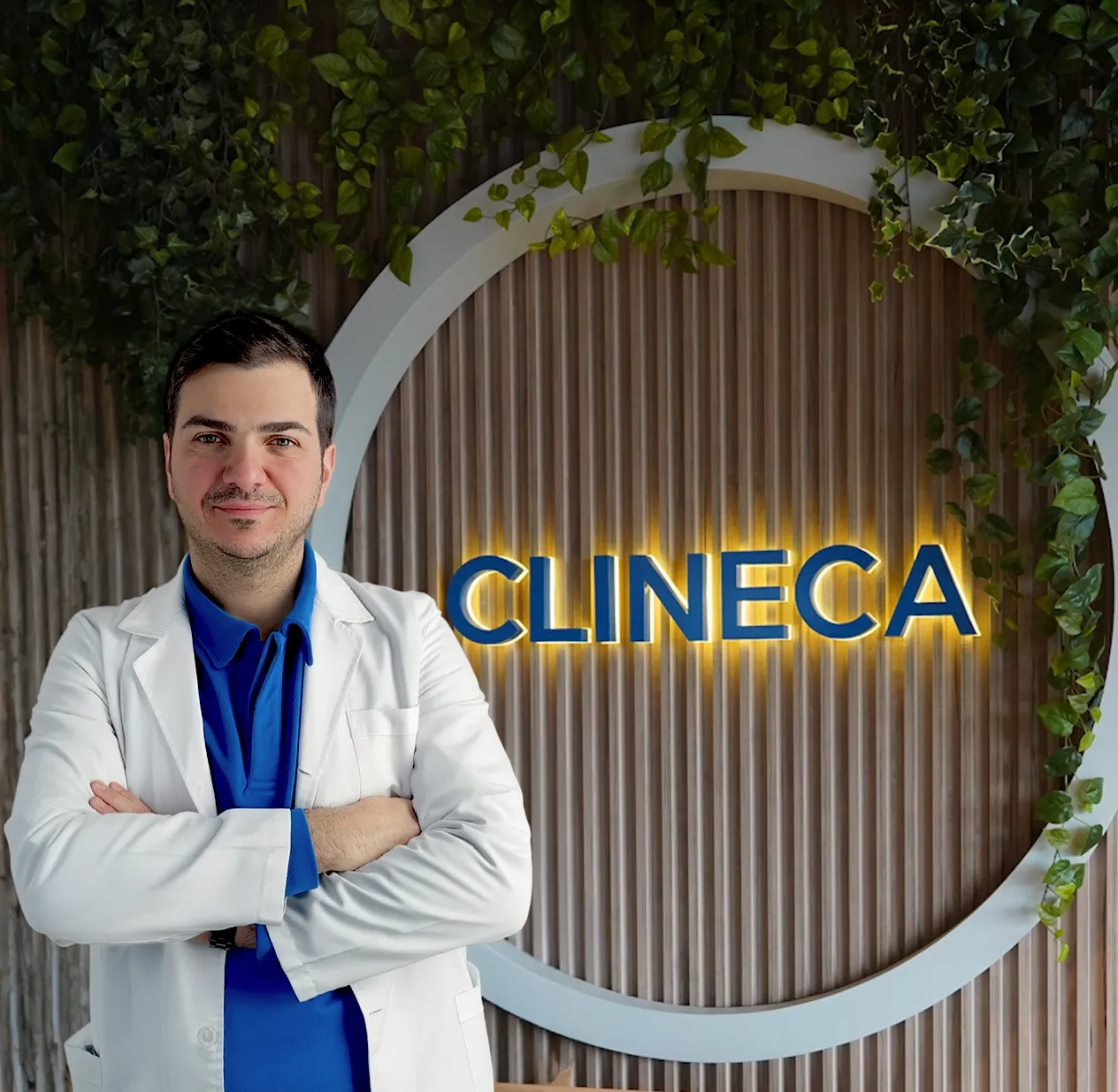 Clineca SpecialistHakan AktaşPlastic & Reconstructive Surgery
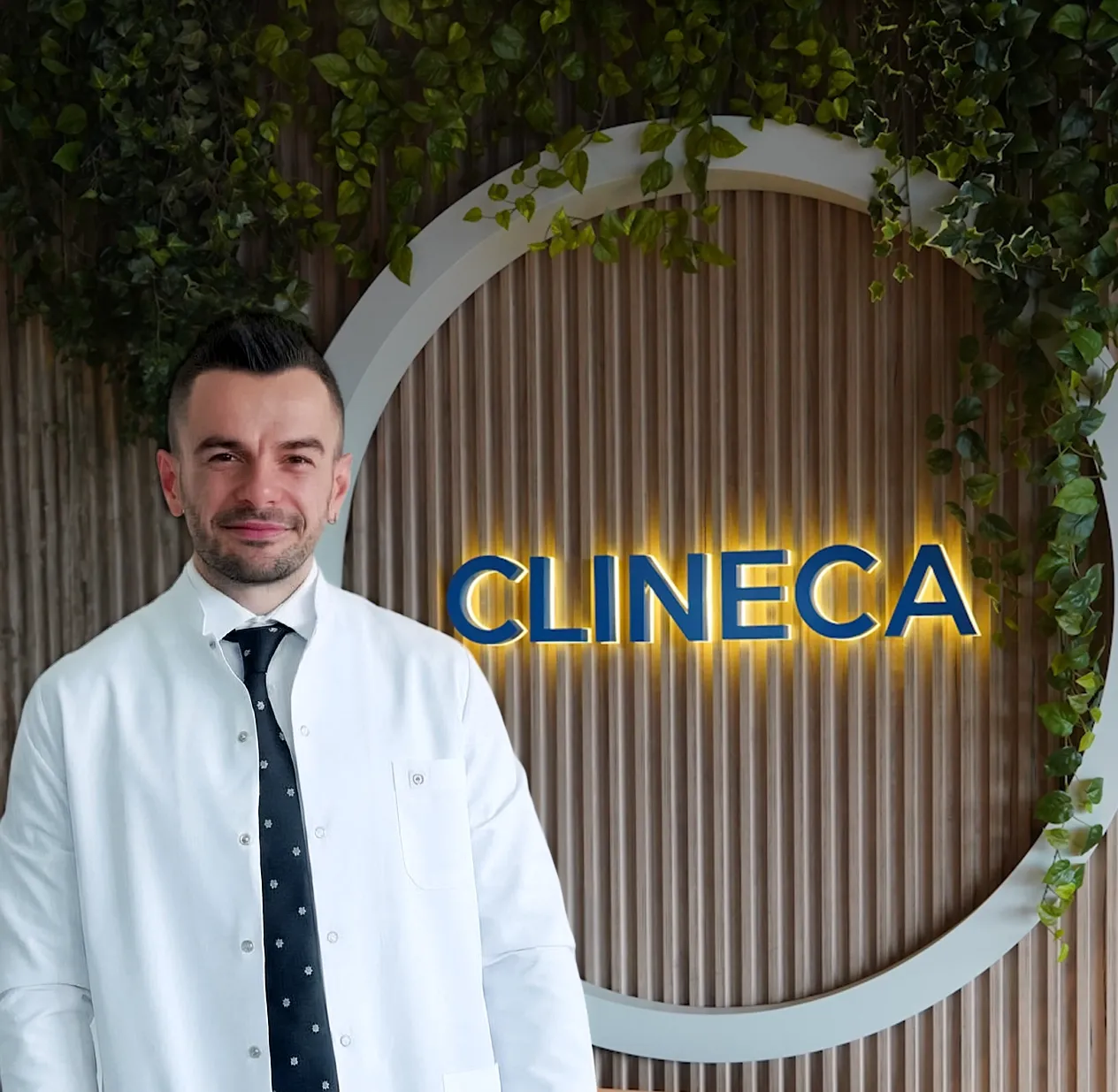 Clineca SpecialistOrkun UzuneyüpoğluPlastic & Reconstructive Surgery
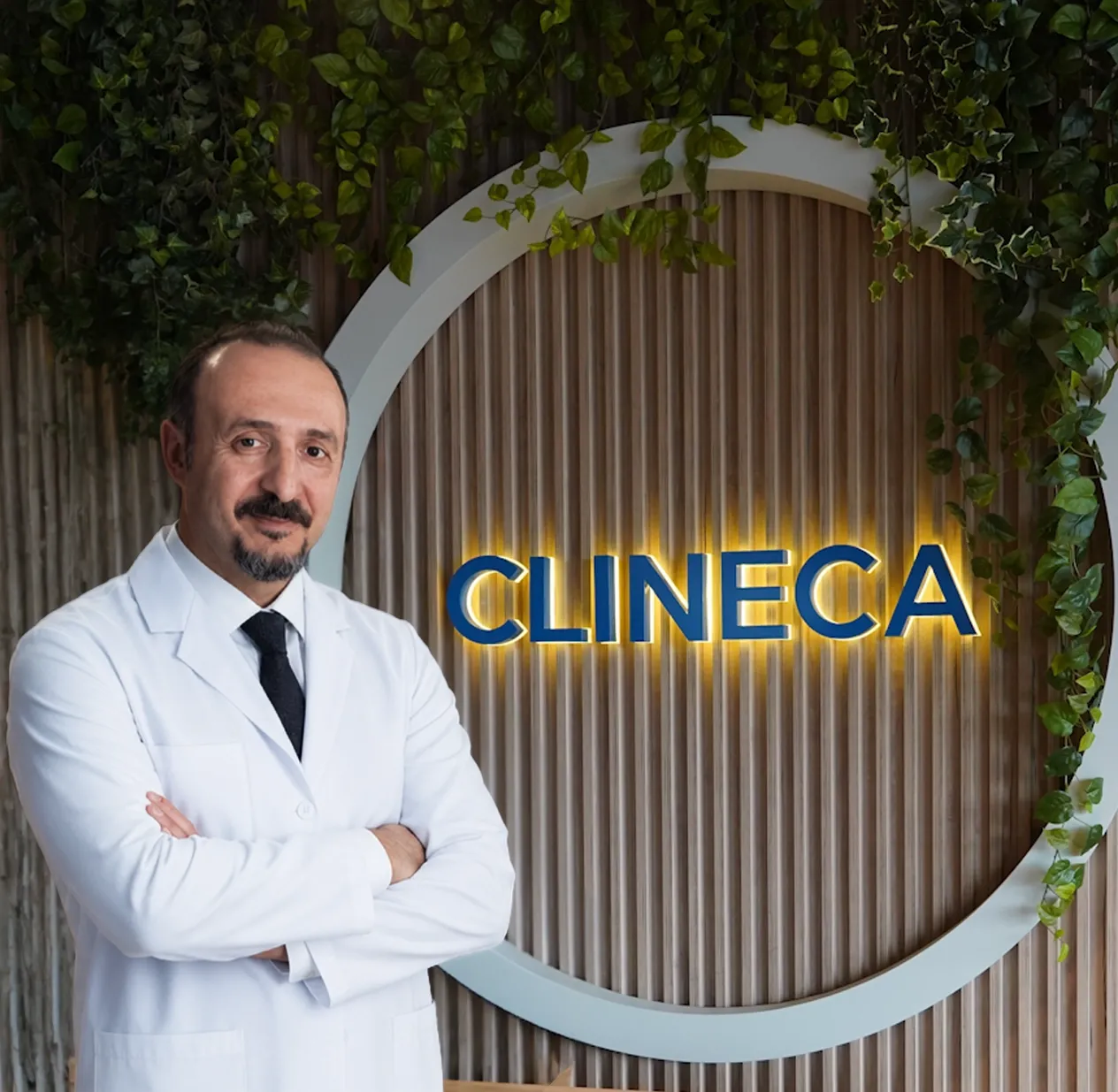 Clineca SpecialistSalim İskenderPlastic & Reconstructive Surgery
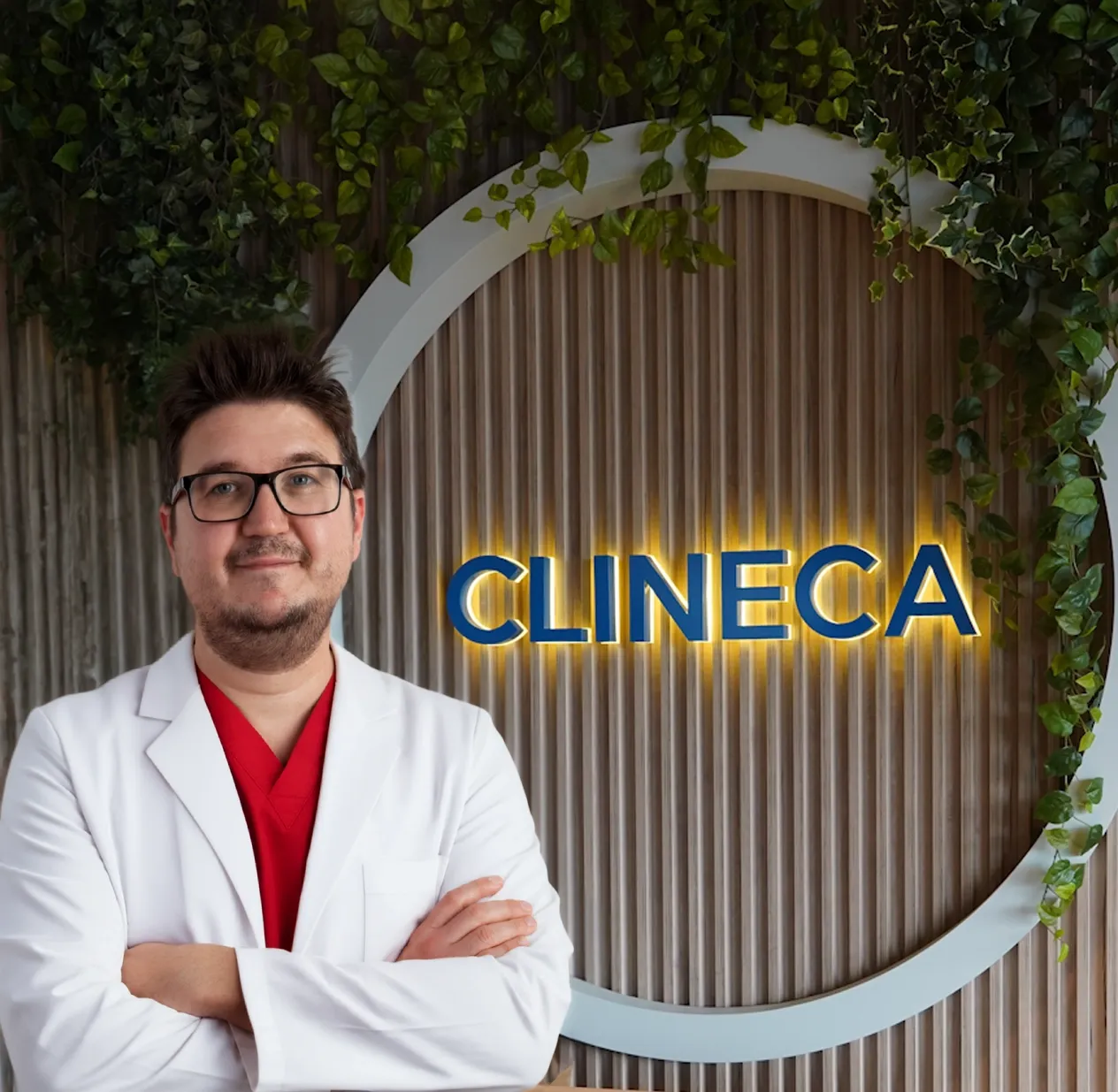 Clineca SpecialistEngin SelamioğluPlastic & Reconstructive Surgery
 Clineca SpecialistCem AydınPlastic & Reconstructive Surgery
 Clineca SpecialistAlperen ÖnalEar, Nose & Throat (ENT)